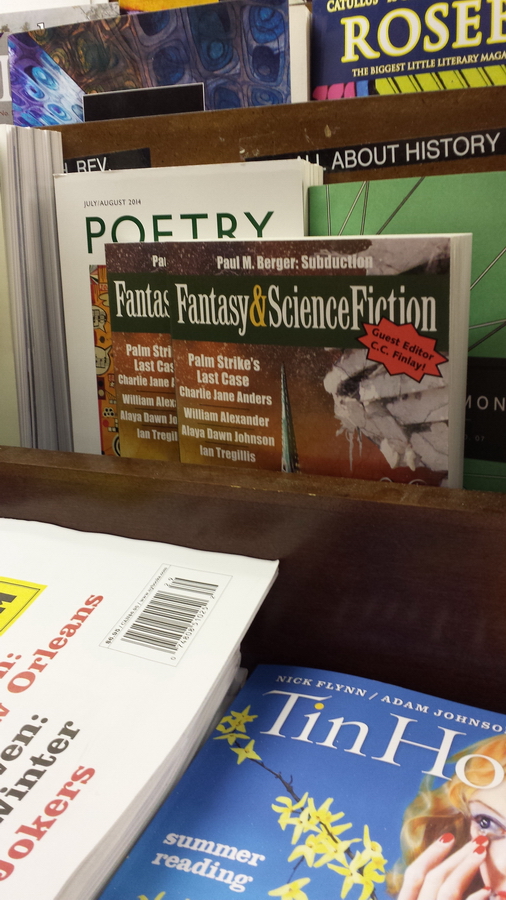
I spotted the July/August issue of Fantasy & Science Fiction featuring my story “Subduction” in my local Barnes & Noble this morning. There it is, tucked between Tin House and Rosebud.
And in a cool bit of synchronicity, today’s xkcd comic was called “Subduction Licence.”
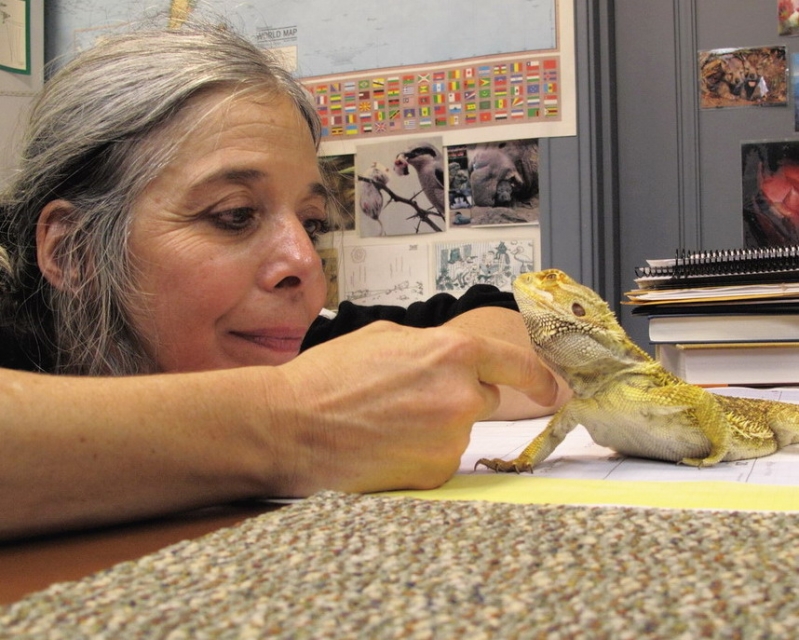
I’m just going to say this, and if you can’t deal with it, tough. The American Museum of Natural History, where I have been an educator and tour guide for the last thirteen years, will open an exhibition of live spiders and other arachnids on July 4. It’s called Spiders Alive! And I am one of the presenters who will be handling tarantulas and scorpions to give demonstrations to the visitors.
A year ago, if you had told me I would be doing this, I would not have believed you.
These arachnids are very alien in how they perceive the world and move through it, but the more time I spend with them, the more they make sense to me, and the more sympathetic they become.
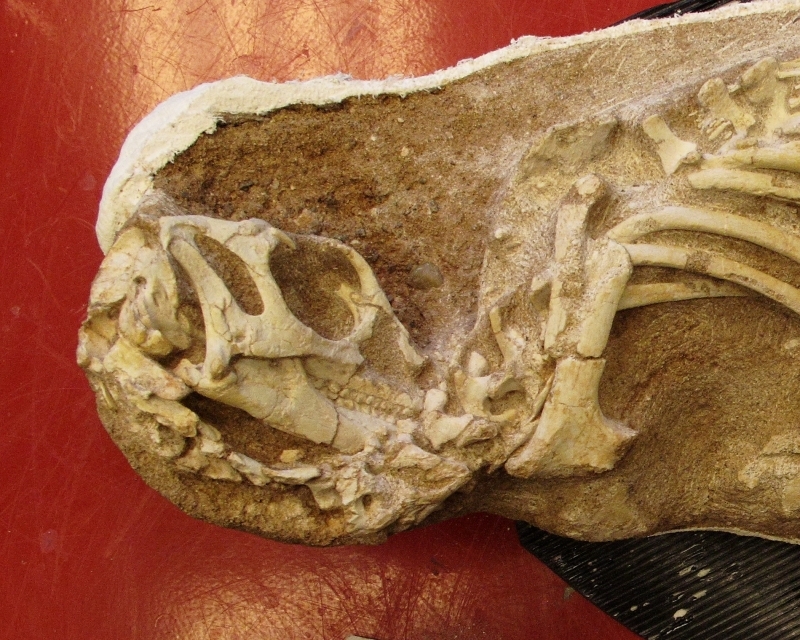
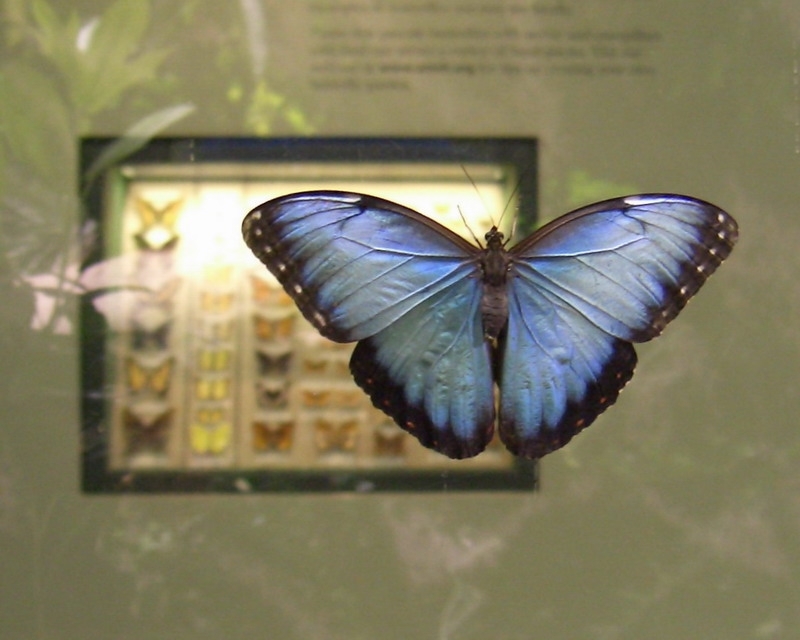
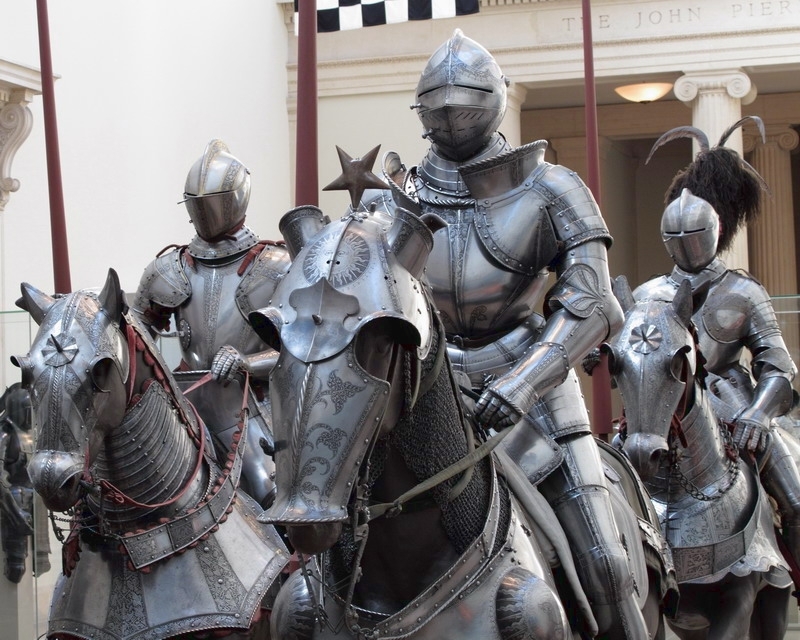
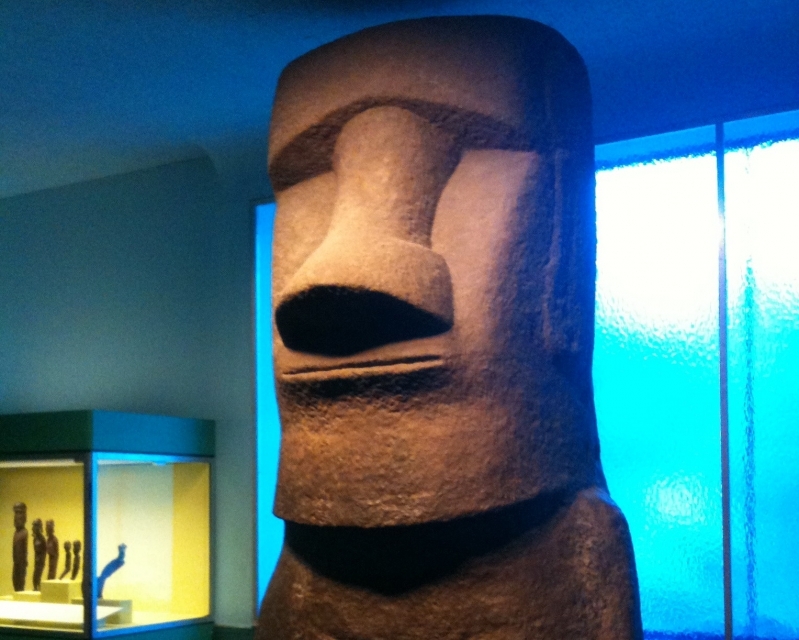
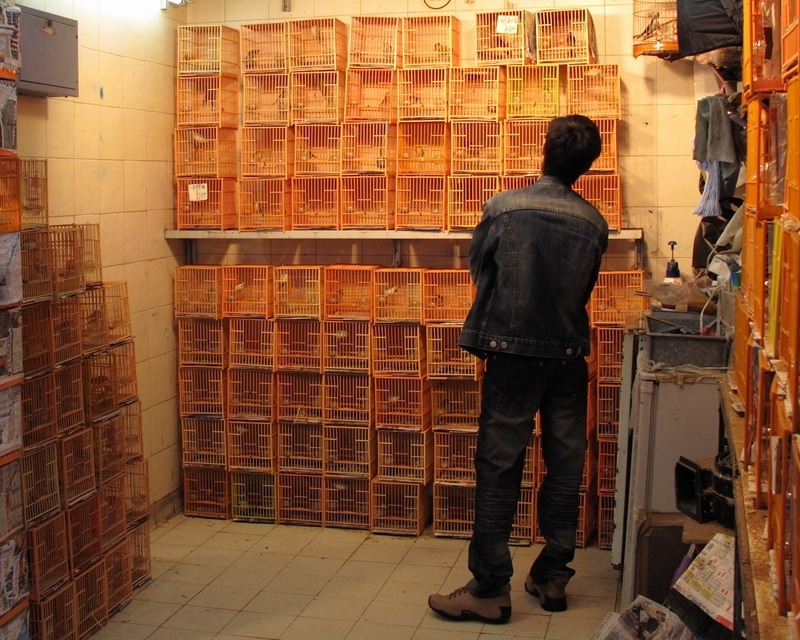
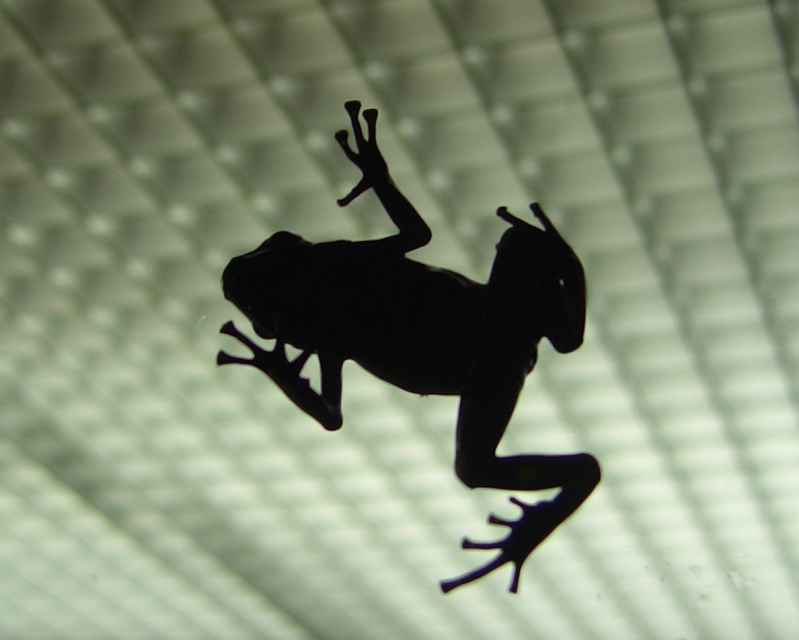
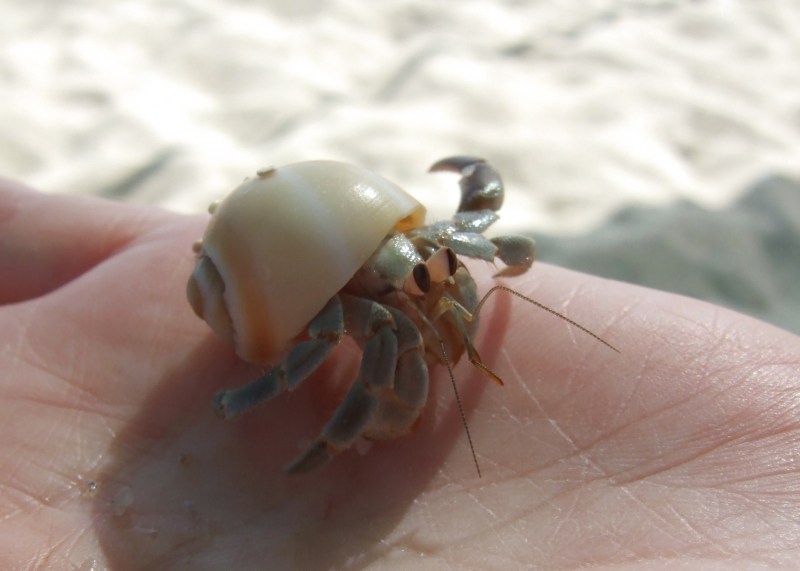
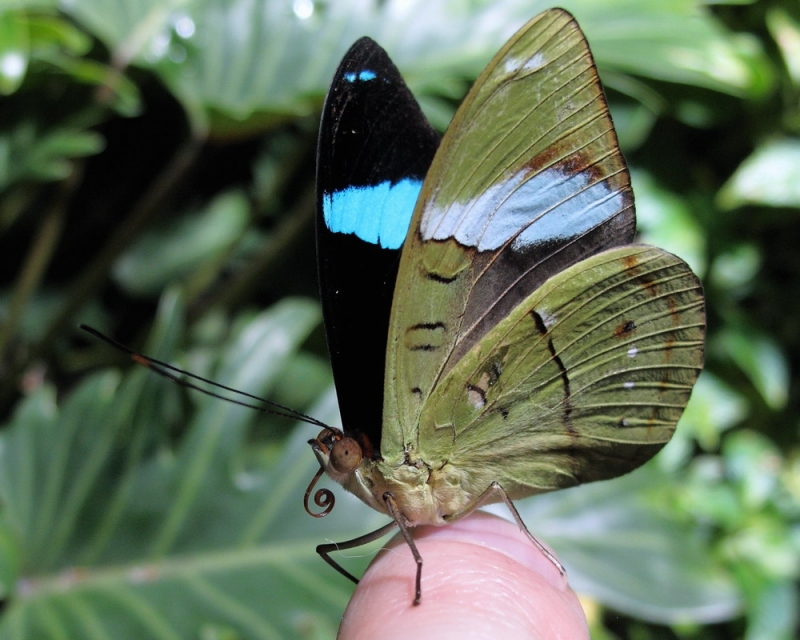
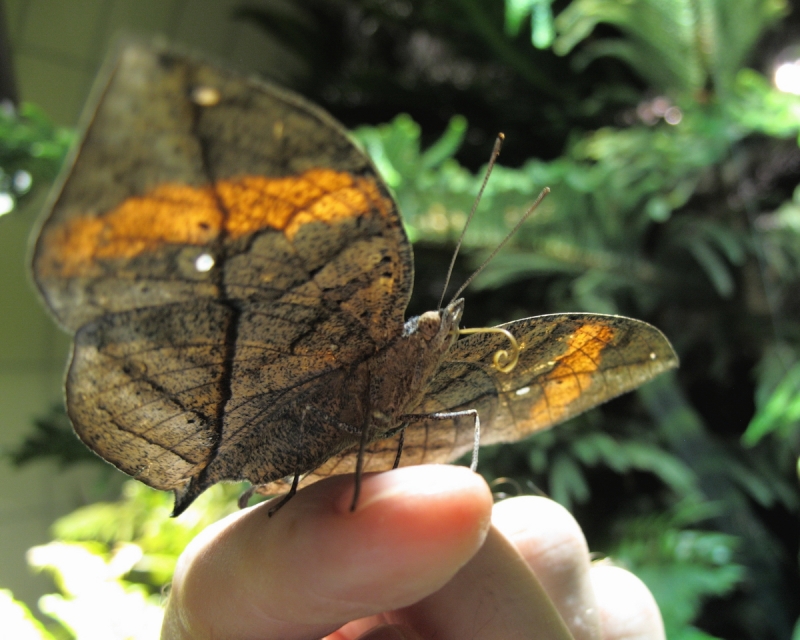
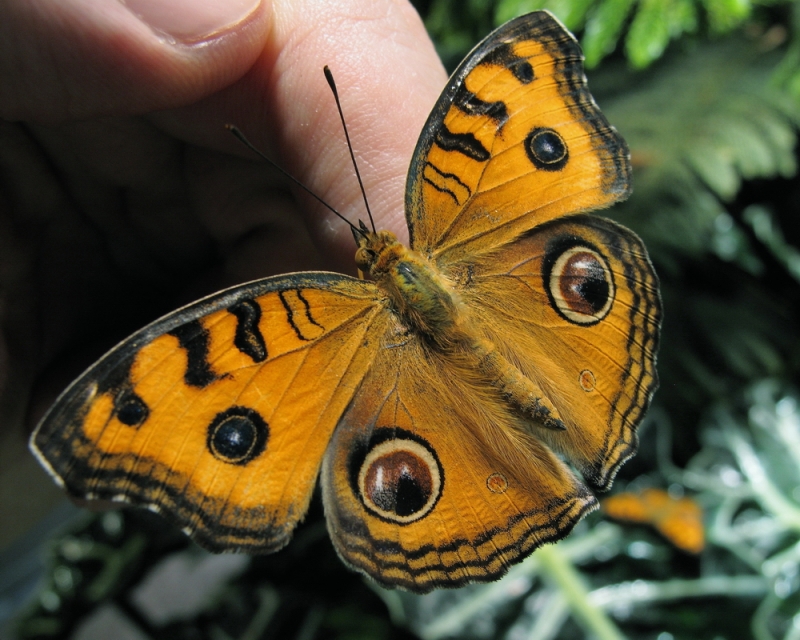
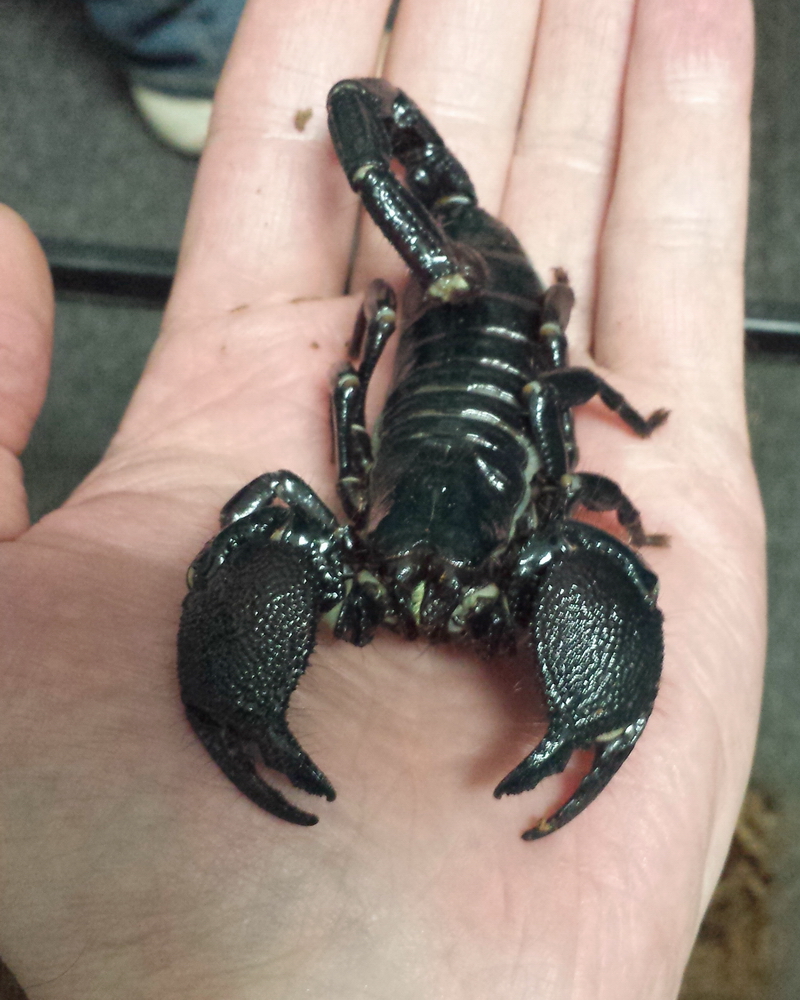
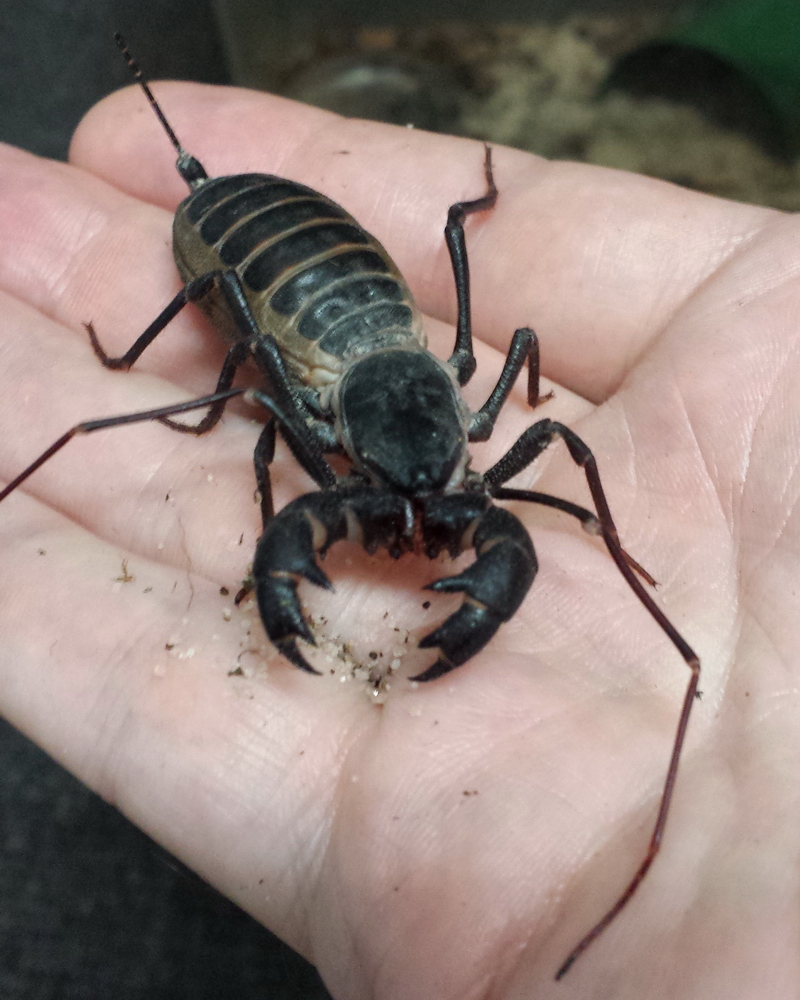
Here are a few of my new co-workers:
That last one is the weirdest creature you’ve never heard of before, called a vinegaroon. It’s kind of goofy and charming, and walks like it’s made of clockwork. It has pincers, but it doesn’t use them in self-defense. The worst it will do, if it’s really stressed, is spray concentrated acetic acid, which is the active component in vinegar.
Here’s a video of what the exhibition will be about.
The critics have started to post reviews of the July/August issue of Fantasy & Science Fiction, which includes my story Subduction. The first one we heard from was Lois Tilton in Locus Online — she gave my story a “Recommended,” and wrote:
Excellent adult fiction…an inspired notion, and the prose makes it a joy to read.
Lois Tilton said that.
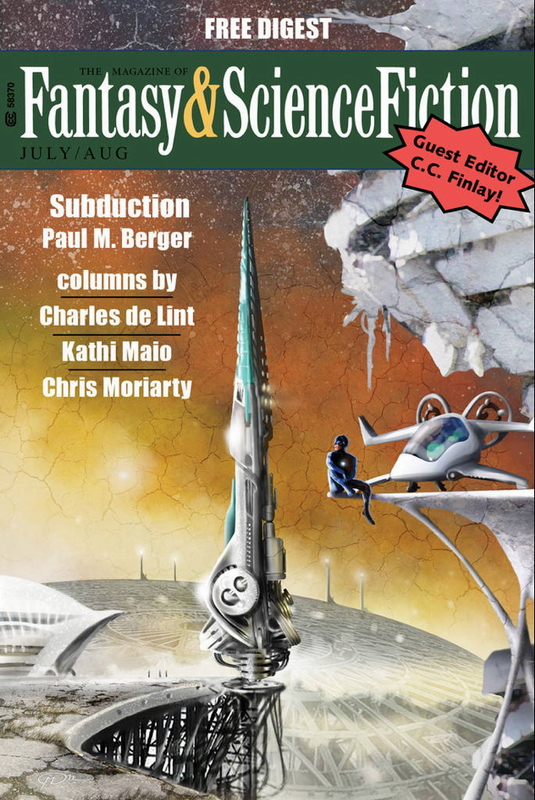
Also, my author’s copies of the issue just arrived. Here’s what it looks like:
When I first saw that cover, I took a quick peek and was immediately jealous of all the folks whose names appeared on it. Fellow Altered Fluid member Alaya Dawn Johnson is listed there, but she certainly deserves it because her work has been getting a lot of attention lately. Then a few minutes later I took another look, and this time I noticed, way up at the very top, my name, along with the title of the story. Usually when I’m mentioned on a cover, my name is spelled “…And Others” and it appears towards the bottom. I almost didn’t recognize it this time.
Subduction will be the story included in the promotional digest of this issue, which means it will be available for free as a Kindle e-book download during July and August.
The embargo is over and I’m free to announce this: My story “Subduction” has been bought by The Magazine of Fantasy and Science Fiction, to appear in the issue guest-edited by C.C. Finlay (July/August)!
This is a particular thrill for me because I recall reading F&SF as far back as middle school, and it was my first real exposure to short-form speculative fiction. As a kid, when I imagined being a writer, I pictured that it would involve this magazine.
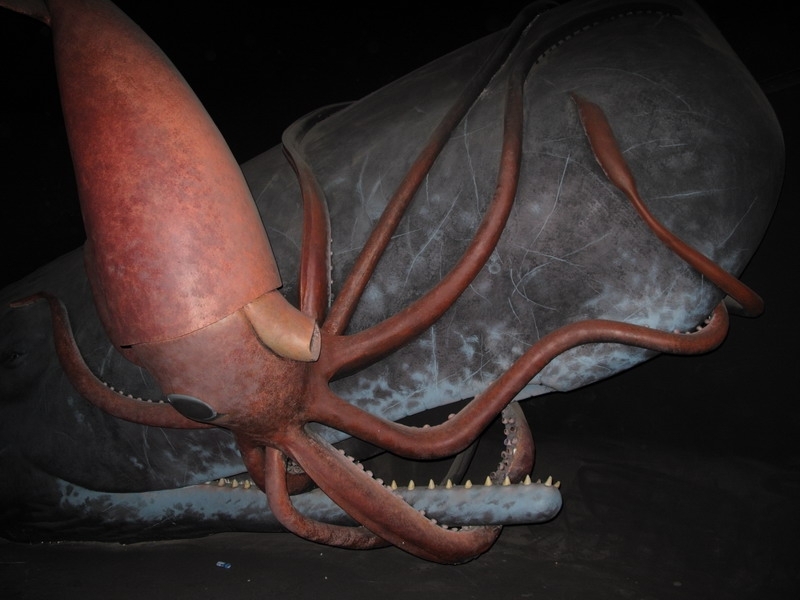
(Coincidentally, Gordon Van Gelder, the magazine’s editor and publisher, has strong ties to the American Museum of Natural History as well — his father, Richard Van Gelder, was the chairman of the Mammalogy department, and was responsible for designing the famous blue whale exhibit in the Millstein Hall of Ocean Life.)
It looks like it’s going to be a wonderful issue. Fellow Altered Fluid member Alaya Dawn Johnson also has a great story in it.
The stories in this issue will be:
William Alexander, “The Only Known Law”
Charlie Jane Anders, “Palm Strike’s Last Case”
Paul M. Berger, “Subduction”
Haddayr Copley-Woods, “Belly”
Sarina Dorie, “The Day of the Nuptial Flight”
Annalee Flower Horne, “Seven Things Cadet Blanchard Learned From the Trade Summit Incident”
Cat Hellisen, “The Girls Who Go Below”
Alaya Dawn Johnson, “A Guide to the Fruits of Hawai’i”
Sandra McDonald, “End of the World Community College”
David Erik Nelson, “The Traveling Salesman Solution”
Dinesh Rao, “The Aerophone”
Ian Tregillis, “Testimony of Samuel Frobisher Regarding Events Upon His Majesty’s Ship Confidence, 14-22 June, 1818, With Diagrams”
751 people submitted stories for this issue during his two week reading period. Here’s his blog entry about his decision process, with a heavy dose of rejectomancy.
Holy cow, has it really been this long since I last posted here? Here are a couple of items to bring the news about my writing more or less up to date:
Last July my story “Good Deaths” appeared in the anthology Zombies: Shambling through the Ages. “Good Deaths” is two parts Japanese ghost story and one part zombie tale, and it explains a real life historical event — in the late 1500’s an assassination attempt was made on the life of warlord Oda Nobunaga, and when the assassin was caught, Nobunaga ordered an extraordinarily slow and gruesome method of execution that makes perfect sense in a zombie collection. I had a lot of fun applying the Japan trivia I’ve been accumulating over the years to this tale.
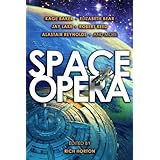
Prime Books recently contacted me for permission to reprint my squidpunk far-future SF story “The Muse of Empires Lost” in Space Opera, edited by Rich Horton. It’s coming out in April and it looks like it will be a great anthology.
This is because I just made my final qualifying professional sale, and it’s to a great market that I’ve wanted to be involved with since I first started writing. The story is “Subduction,” and it involves plate tectonics and the Pacific Northwest and some big elemental beasts, and draws on all sorts of things I’ve picked up during my training to be a tour guide at the American Museum of Natural History. The editor has asked me to keep the details quiet for the time being so they can handle the buzz properly, but it will be published this summer and I’ll be able to discuss it publicly some time before then. And they were remarkably good about getting me paid right away.
Two years ago I posted this anecdote about the stuffed chimpanzee in this photo. To recap, during the 1930’s, a curator in the American Museum of Natural History adopted the chimp on a trip to Africa, named her Meshie, and attempted to raise her as part of his human family for years, treating her like (or better than) one of his own children. The experiment went badly for everyone involved — the children were terrified of the chimp; Meshie was sent to a zoo; and she eventually ended up as a museum exhibit.
I posted that story just because I thought it was fascinating, and because it might make an interesting blog entry. However, I keep underestimating the Web’s ability to connect people. I just got an email from Harry Raven, the son who had had to share his home with Meshie, now in his mid-80s. He wrote:
I came upon your site whilst (love that word) Googling for directions to the Meshie exhibit at the AMNH. … [A friend] just read Joyce Wadler’s NY Times story and is eager to see my father’s pet. I was afraid of my father, and I came to be afraid of Meshie as she matured. Working with Joyce to help create her story brought closure for me of a very troubling four years in our family history.
Ah, the Internet. Never know where it will take you.
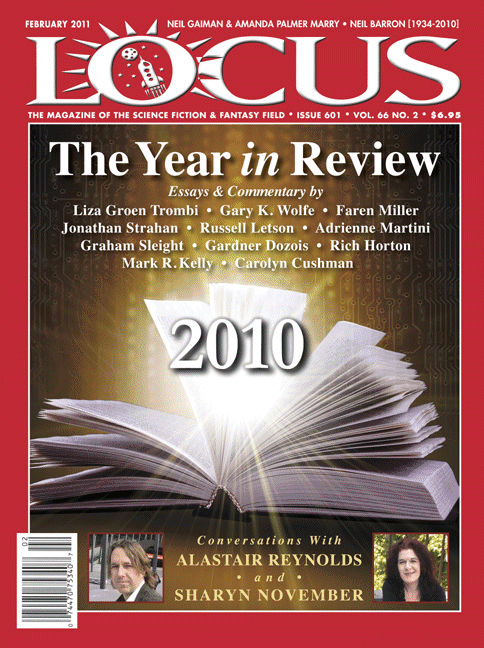
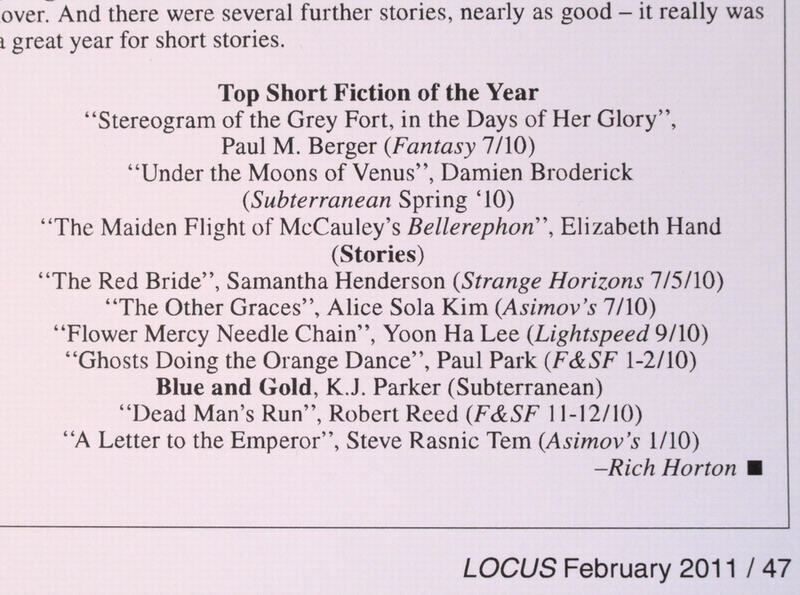
Second: In his Locus “Short Fiction Survey and Recommended Reading,” Rich Horton writes:
I really liked a number of short stories this year. One particular favorite is “Stereogram of the Gray Fort, in the Days of Her Glory” by Paul M. Berger, from Fantasy, a striking tale of an elf and his human wife, some time after the elves have subjugated humanity, as they visit a site from the war.
(I’ve been floored by the way Horton has championed this story since Fantasy bought it; he chose it for his year’s best collection, and I’m sure it was his support that got it onto the list.)
Third: Rachel Swirsky included it in her own short story recommendations for the year, calling it a “well-plotted fantasy with an intriguing structural premise.”
All of which is beginning to have me thinking that the story stands a decent chance in the Best Fantasy Magazine Story of 2010 contest. If you can spare a minute, please please go there and vote.
It looks like it’s time for spec-fic writers to start thinking about award nominations, and I want to point out my short story “Stereogram of the Gray Fort, in the Days of Her Glory,” which appeared in Fantasy Magazine in June 2010.
I think it’s worth some attention. When it was published, Rich Horton wrote in Locus, “I was impressed last year by Paul M. Berger’s Interzone piece ‘Home Again’. Now he contributes a brilliant story to Fantasy, one of the stories of the year so far, ‘Stereogram of the Gray Fort, in the Days of her Glory’…” Horton is also including it in his Year’s Best Science Fiction and Fantasy 2011.
(In his blog this month, Horton called it, “in my opinion of the very top stories of the year” — as long as the missing word is something along the lines of “one,” it works out to be an absurdly flattering compliment.)
The British Science Fiction Association discussed the story as part of their on-line Short Story Club in November, and the comments were strongly mixed, which in that type of forum, is largely a good thing.
It’s 5,500 words, which puts it in the Short Story category. Please keep it in mind when you’re making your picks for the Hugo, Nebula and World Fantasy awards!






 Two years ago I posted